

The bills don't arrive with your diagnosis, but they show up fast. A statement on the kitchen table. A refill date circled on a calendar. A phone call that starts with, "Before we ship, your balance is…" In cancer care, the medicine can feel like a second job to manage.
That's why affordable oncology generics and biosimilars matter so much in 2026. In plain terms, a generic is a lower-cost version of a traditional drug (usually a pill or capsule). A biosimilar is a lower-cost version of a biologic medicine (often an injection or infusion) that's made from living cells.
This guide explains what's commonly available in 2026, how to talk with your oncology team about switching, and how to spot safe sources. Availability and coverage still vary by country, insurer, hospital contracts, and cancer type, so the goal here is clarity, not a one-size-fits-all list.
Generics vs biosimilars in cancer care, and why the difference matters at the pharmacy counter
At the pharmacy counter, "generic" and "biosimilar" can sound like the same promise: same treatment, lower cost. The truth is close, but the path to get there is different.
Think of a generic like following a printed cake recipe. If the ingredients and steps match, you can bake the same cake again and again. Most small-molecule drugs work this way. They have a defined chemical structure, so manufacturers can make an identical active ingredient.
A biosimilar is more like a sourdough starter. You can follow the same method, but living systems create natural variation. Biologics are large, complex proteins made in cells, so a biosimilar can't be an exact clone. Instead, regulators require it to be highly similar with no meaningful differences in safety or effect.

Here's a quick comparison that matches what many patients notice in real life:
| What you're comparing | Generic oncology drugs | Biosimilars in oncology |
|---|---|---|
| What they "copy" | Small-molecule drugs | Biologic medicines |
| How close the match is | Same active ingredient | Highly similar, not identical |
| What may look different | Bottle, pill shape, inactive ingredients | Name, packaging, injection device, infusion label |
| Substitution rules | Often allowed, varies by country/payer | Depends on local rules and product status, ask your prescriber or pharmacist |
Substitution and "interchangeability" rules aren't universal. Some places allow a pharmacist to substitute under set conditions. Others require the prescriber to write the specific product name. Because policies shift, the safest habit is simple: ask who can switch your product, and when.
How biosimilars earn trust, testing, naming, and why side effects can still happen
Biosimilars don't earn trust through a single study. Regulators look for a stack of evidence that builds from the lab bench to real-world use.
First, scientists compare the biosimilar to the reference biologic in the lab. They check structure, purity, and how it behaves. Next come clinical studies that focus on showing similarity, not re-proving the whole drug from scratch. After approval, ongoing safety tracking continues, because rare side effects often show up only after many people use a medicine.
"Similar" doesn't mean "gentle." Cancer medicines can still cause side effects, whether you take the original or a lower-cost version. Similar means no meaningful differences compared with the reference product, so the expected benefits and risks line up.
Names can also look strange. Many biologics have a brand name plus a longer nonproprietary name. Some regions add a suffix to help track which product a patient received. That tracking matters for safety reporting, especially for injectables and infusions.
If the name on the bill is unfamiliar, don't panic. Ask your clinic or pharmacist to confirm it's the planned biosimilar of the same reference medicine.
What usually makes these options cheaper, and why your out-of-pocket cost can still vary
Prices drop for one main reason: competition. When several manufacturers can offer a comparable product, buyers negotiate harder. In hospitals, tendering and preferred contracts often decide which biosimilar gets used. In retail and specialty pharmacies, formularies and rebate agreements steer which products are easiest to fill.
Still, your personal cost can swing widely. Insurance design matters as much as list price. A lower-priced drug can still cost you more if it sits on a higher tier, needs prior authorization, or falls under a separate benefit.
In oncology, a big split often appears here:
- Pharmacy benefit: usually oral meds, filled by a pharmacy or specialty pharmacy.
- Medical benefit: often infusions and clinic-administered injections, billed by an infusion center.
So, before the first dose or the next refill, ask for a real number. Request the expected out-of-pocket cost and the billing path, then confirm whether the clinic, pharmacy, or insurer is responsible for approvals.
Affordable oncology generics and biosimilars you may see in 2026
In 2026, lower-cost oncology options show up in a few familiar places. Supportive care remains full of long-established generics. Many oral cancer therapies have generic pathways once exclusivity ends. Biosimilars continue to expand in infusion centers and oncology clinics.
This isn't a complete list of approvals. Markets differ, and supply changes fast. Instead, treat this as a practical guide to categories you may hear about, so you can ask better questions.
Supportive-care generics that can lower the total cost of treatment
Supportive meds don't always get headlines, yet they often decide whether a week is manageable. When nausea stays controlled and pain stays quiet, people sleep. They eat. They avoid urgent visits that add new bills.
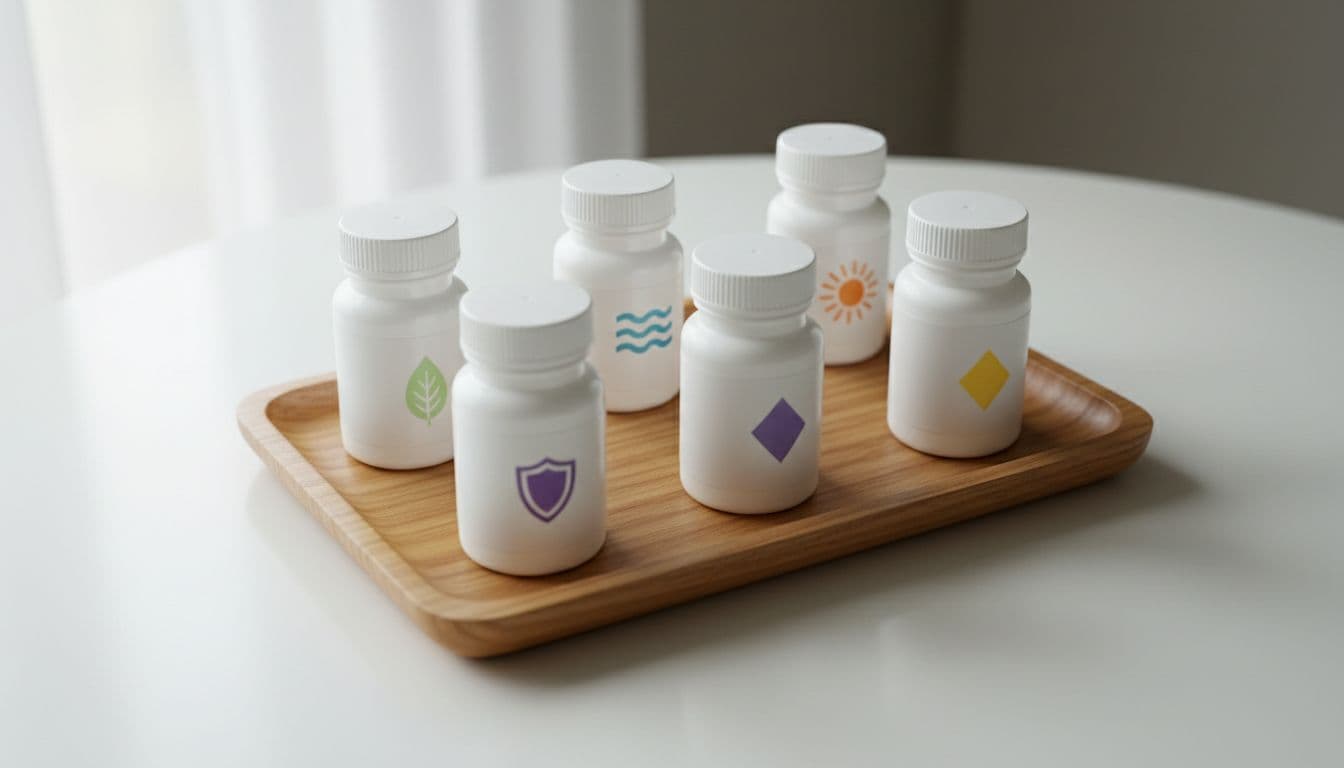
Many supportive-care options are widely available as generics, depending on your country and regimen, such as:
- anti-nausea medicines (often older standards and add-ons)
- pain control options (from non-opioids to selected prescription choices)
- infection prevention in specific cases (when your team recommends it)
- stomach protection (acid reducers)
- steroids used with chemo regimens
- mouth sore treatments and rinses (often compounded or OTC plus Rx)
A small "side-effect kit" can work like a spare tire. You hope you won't need it, but you want it ready. Keep it simple: a written list of meds, your pharmacy numbers, and a refill calendar that starts a week early. That one habit can prevent missed doses and last-minute calls.
If you use mail-order, confirm shipping times before starting a new cycle. Timing matters more than convenience when symptoms move quickly.
Oral cancer generics, where savings often show up first
Oral cancer medicines can be life-changing, but they also come with paperwork. Prior authorizations, specialty pharmacies, and step edits can slow everything down. Once a generic version becomes available, savings often show up first in this category because the pathway is clearer for small-molecule drugs.
Patients commonly hear about generic versions across areas like:
- hormone therapies used in several cancers
- older chemo tablets or capsules
- some targeted therapies (including certain kinase inhibitors) as exclusivity changes over time
Because availability depends on your regulator and supply chain, your pharmacist can confirm what's actually stocked and substitutable.
If you're dealing with an oral targeted therapy, consider two practical cost moves you can ask about:
First, ask how long approvals take, and start the process early. Next, ask whether a shorter first fill is allowed (for example, 15 days) to reduce waste if your plan changes due to side effects or dose adjustments.
Some people also compare cash-pay options with insurance pricing. That sounds backward, but it happens. For example, if your care team prescribes lenvatinib and a lower-cost generic option is available, you can discuss pricing and supply for affordable generic Lenvatinib capsules through a regulated pharmacy route, as long as your prescriber agrees and local rules allow it.
Biosimilars used in oncology settings, what patients commonly encounter
In 2026, biosimilars are most visible in two places: supportive biologics and biologic cancer treatments used in certain diagnoses. The exact product choice often happens behind the scenes.
Supportive biologics may include growth-factor type medicines used to support blood counts in selected patients. Meanwhile, several biologic therapies used to treat cancers now have biosimilar competition in many regions. Your oncologist may name the reference product in conversation, but the infusion center may stock a preferred biosimilar based on contracts and supply.
That can create a small shock when you see a different name on the explanation of benefits. In most cases, it's still the planned therapy category, just a different approved version.
A simple habit helps: keep a running medication list that includes the exact product name (and if applicable, the manufacturer). If you ever need to report a side effect or switch sites of care, that detail speeds things up.
How to actually get the lower price, step-by-step without guesswork
Lower cost feels best when it also feels stable. A cheap price isn't a win if the supply drops, the clinic can't bill it, or the product source raises questions. The best deal is the one that's safe, covered, and reliably supplied.
Start with coordination, not shopping. Ask your oncology team what options fit your exact plan. Then check coverage and billing before you switch. After that, confirm the pharmacy or infusion center can obtain the product consistently.

For many families, the biggest savings come from preventing "surprise" costs. That means asking for the estimate before the first dose, not after the claim posts. It also means understanding whether your infusion is billed through a facility charge, which can change your share even when the drug cost drops.
If you pay cash or mix cash and insurance, ask the pharmacy to quote both. Some people find that a generic has a better cash price than their plan's copay.
For example, prostate cancer hormone therapy often includes abiraterone acetate, and some patients compare sources for affordable Abiraterone for prostate cancer when insurance coverage is limited. The key is to keep your prescriber involved, so the product matches your plan and monitoring schedule.
The five questions to ask your oncologist or pharmacist before switching
Use these questions as a script. Keep them on your phone, because stress wipes memory.
- Is a generic or biosimilar appropriate for my exact diagnosis and plan?
- Will the dose, device, or schedule change?
- What will my out-of-pocket cost be under my insurance, and under cash pay?
- Is this filled under the pharmacy benefit or the medical benefit?
- How will we monitor response and side effects after the change?
When you ask all five, you cover safety, money, and follow-up. That's the full picture, not just a price tag.
Red flags to avoid when shopping for affordable cancer meds online
Online access can help, especially for refills and long-term oral therapy. However, cancer medicines also attract risky sellers, because fear makes people act fast.
Watch for warning signs like these:
- a site offering prescription drugs without a prescription
- prices that feel unreal, even compared with known generics
- no way to speak with a pharmacist
- unclear sourcing, no physical address, or vague contact info
- shipping that ignores cold-chain needs for biologics
- pressure to pay with unusual methods or rushed "today only" demands
- packaging that looks tampered with, mislabeled, or inconsistent
A safe source welcomes questions. It verifies prescriptions, explains storage, and provides clear contact paths.
Also remember that some pharmacies limit what they supply. Many reputable mail-order options focus on non-controlled medications, which can still cover a wide range of oncology and supportive-care needs. When in doubt, ask your prescriber which channel is safest for each medicine.
Conclusion
The cost stress of cancer treatment is real, but so are the tools that can soften it. In 2026, generics and biosimilars often open the door to lower prices, especially in supportive care, many oral therapies, and clinic-administered biologics.
Keep a current medication list, ask for a cost check before each new start, and bring the five-question script to every switch conversation. Most importantly, make changes only with your oncology team and pharmacist, because the safest savings are the ones that don't interrupt care.

0 comments